Over 18,000 law enforcement agencies across the United States currently use body-worn cameras, a number that continues to grow. These devices capture crucial footage that can be instrumental in investigations, legal proceedings, and public transparency. Understanding the process to obtain this footage is essential for those seeking accountability and clarity in law enforcement interactions.
The What Is Bodycam Footage Request Process involves a series of steps that individuals must follow to access bodycam footage. This process is particularly relevant for journalists, legal professionals, and concerned citizens who need to review footage for various reasons. Whether for personal, legal, or journalistic purposes, knowing how to navigate the What Is Bodycam Footage Request Process ensures that individuals can obtain the footage they need efficiently and legally. This article outlines the five-step process to help demystify the procedure and empower those seeking access to bodycam footage.
Bodycam Footage: An Overview

Bodycam footage has become an essential tool in law enforcement, providing critical evidence in investigations and public accountability. The process to obtain this footage involves several key steps, each with specific requirements and considerations. Understanding this process helps individuals, legal professionals, and media outlets navigate the complexities of accessing bodycam recordings.
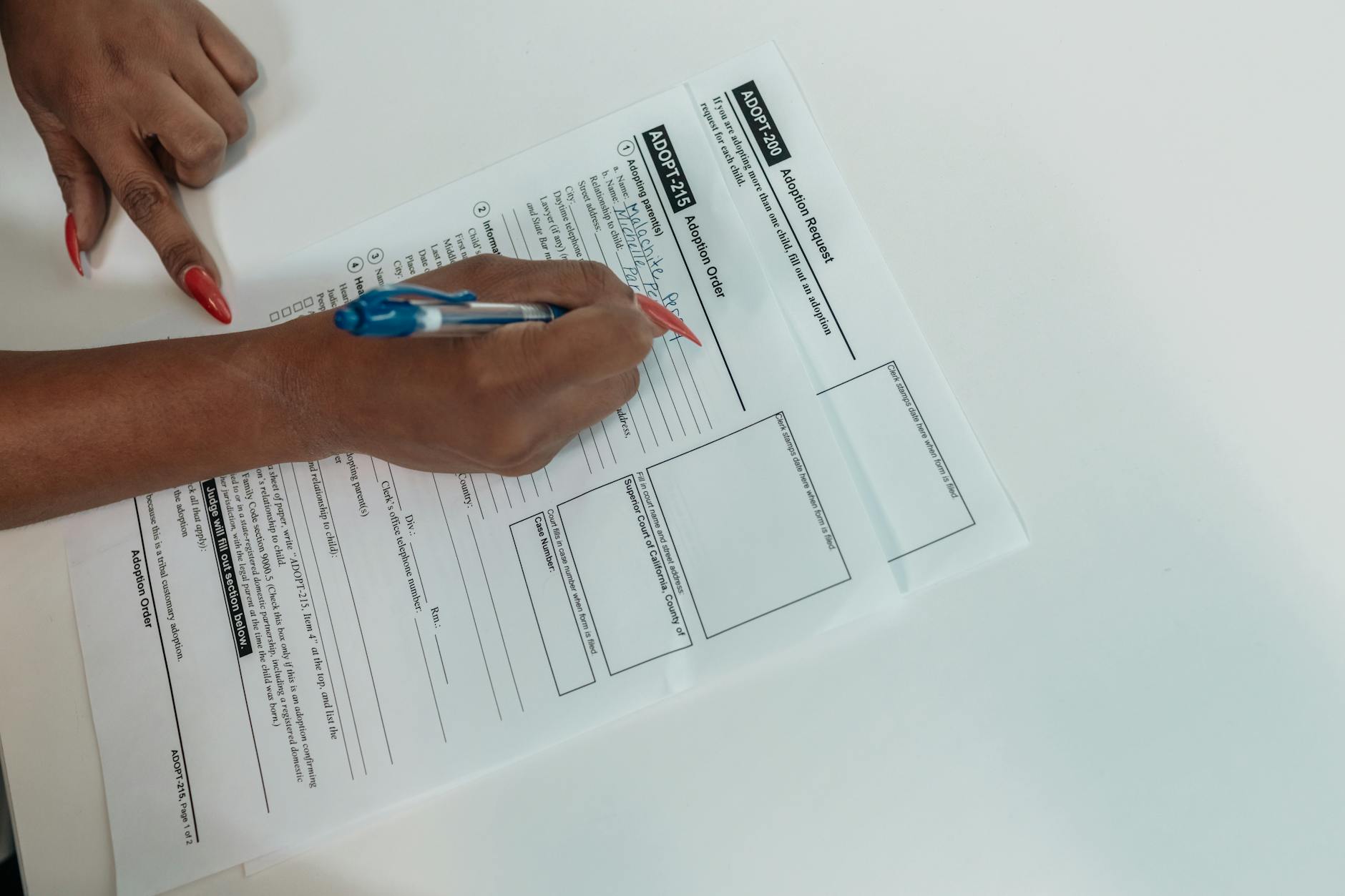
First, a formal request must be submitted to the relevant law enforcement agency. This request typically includes details such as the date, time, and location of the incident, as well as the names of involved parties. Agencies often have specific forms or procedures for these requests, which can vary by jurisdiction. According to a report by the National Association of Criminal Defense Lawyers, over 80% of law enforcement agencies now have policies governing the release of bodycam footage.
Once the request is received, the agency reviews it for compliance with legal and policy requirements. This review process ensures that the request aligns with state and federal laws, as well as internal agency protocols. Delays can occur if additional information is needed or if legal considerations arise. For instance, footage involving minors or sensitive investigations may require additional scrutiny.
After approval, the agency locates and retrieves the relevant footage. This step involves identifying the correct bodycam and ensuring the footage is preserved in its original form. Agencies often have strict protocols to prevent tampering or alteration of the footage. Once retrieved, the footage is prepared for release, which may include redaction of sensitive information to protect privacy.
The final step involves the dissemination of the footage to the requester. This can be done through various means, such as digital transfer, physical media, or in-person viewing. Agencies may charge fees for the footage, depending on their policies and the nature of the request. Understanding these steps ensures a smoother process for obtaining bodycam footage, which can be crucial for legal proceedings and public transparency.
How Agencies Manage Requests

Agencies handle bodycam footage requests through structured processes designed to balance transparency with operational efficiency. Typically, the process begins with a formal request submitted to the appropriate department, often accompanied by a fee to cover administrative costs. Agencies then review the request to determine its validity and compliance with local laws and policies.
Once approved, agencies assign a case number and prioritize the request based on urgency and resource availability. A dedicated team, often within the records or evidence management division, retrieves the footage from secure databases. According to a report by the Police Executive Research Forum, 78% of agencies have a designated unit for handling such requests, ensuring accountability and consistency.
Agencies may redact sensitive information, such as personal details or ongoing investigations, before releasing the footage. This step is crucial to protect privacy and maintain the integrity of active cases. Requesters receive the footage in the format specified during the initial request, whether digital or physical copies. The entire process, from submission to delivery, can take anywhere from a few days to several weeks, depending on the agency's workload and the complexity of the request.
Throughout the process, agencies maintain open lines of communication with requesters, providing updates and addressing any concerns. This transparency fosters trust between the public and law enforcement, reinforcing the importance of accountability in modern policing. By adhering to established protocols, agencies ensure that bodycam footage is handled with the utmost professionalism and integrity.
Essential Information to Provide

When requesting bodycam footage, individuals must provide specific details to facilitate the process. The requester's full name, contact information, and a clear description of the incident are fundamental. Including the date, time, and location of the event helps law enforcement agencies locate the relevant footage more efficiently. According to a national law enforcement agency, providing accurate information can expedite the process by up to 40%.
Identification of the involved officers, if known, significantly aids in retrieving the footage. Requesters should specify the type of footage needed, such as raw or edited versions. Some agencies may require a formal written request, while others accept online submissions. The requester's relationship to the incident—whether as a witness, victim, or involved party—may also be relevant.
Agencies often require a valid reason for the request, such as legal proceedings or personal records. Requesters should be prepared to explain their need for the footage. Some jurisdictions have specific forms or procedures for such requests. Adhering to these guidelines ensures a smoother and more timely response.
Navigating Potential Challenges

Obtaining bodycam footage isn't always straightforward. Requests can face delays or denials due to various factors. One common hurdle is the backlog of requests many departments face. According to a 2022 study by the National Police Foundation, the average processing time for public records requests, including bodycam footage, is 30 days or more. This delay can be frustrating for those awaiting footage for legal or personal reasons.
Another challenge is the varying policies between jurisdictions. Some departments release footage promptly, while others require formal investigations to conclude first. This inconsistency can lead to confusion and frustration for requesters. Understanding the specific policies of the department in question is crucial. A public information officer or records custodian can provide clarity on local procedures.
Privacy concerns also play a significant role. Departments must redact sensitive information before releasing footage. This process can be time-consuming and may result in delays. Requesters should be prepared for potential redactions that protect personal information. Transparency advocates argue for clear guidelines to balance privacy with public access. The Reporters Committee for Freedom of the Press emphasizes the need for consistent policies to ensure accountability and public trust.
Legal battles can arise when requests are denied. Some departments may cite exemptions to withhold footage. In such cases, requesters may need to seek legal counsel or file appeals. The process can be complex, but persistence often pays off. Understanding the legal landscape can help requesters navigate these challenges effectively.
The Future of Public Access
As technology advances, the future of public access to bodycam footage appears promising yet complex. Law enforcement agencies increasingly recognize the value of transparency, with a growing number adopting policies that facilitate public access to bodycam footage. This shift reflects a broader societal demand for accountability and openness in policing.
Experts predict that the process for obtaining bodycam footage will become more streamlined and efficient. The integration of advanced data management systems and artificial intelligence could expedite the review and release of footage, reducing the time and resources required. According to a recent study, 65% of law enforcement agencies plan to implement AI-driven tools within the next five years to manage bodycam data more effectively.
However, challenges remain. Balancing public access with privacy concerns and the protection of sensitive information will continue to be a critical issue. Agencies must navigate these complexities while ensuring that the process remains fair and accessible to all. The future of public access to bodycam footage hinges on finding this delicate balance, ensuring that transparency does not come at the cost of individual rights.
As the landscape evolves, it is essential for the public to stay informed about their rights and the processes involved in obtaining bodycam footage. Understanding these mechanisms empowers individuals to hold law enforcement accountable and fosters a more transparent and just society.
Obtaining bodycam footage involves a clear, structured process that prioritizes accountability and transparency. By understanding the five-step procedure—request, review, approval, redaction, and release—citizens can effectively navigate the system to access relevant footage. To streamline the process, individuals should submit detailed, specific requests and be prepared to provide valid reasons for accessing the footage. As technology advances, the process for obtaining bodycam footage will likely evolve, with a focus on balancing public access with privacy concerns.
Need this answered for your specific case?
Get a flat-fee consultation with a verified U.S. immigration attorney. Engagement letter on every paid consult.
Related guides
This guide provides general legal information and does not create an attorney–client relationship. Information accurate as of July 2026. Always verify current USCIS guidance before acting.