
Every year, millions of Americans face police interrogation, and the phrase "You have the right to remain silent" echoes through countless precincts. This is not just a Hollywood trope; it's a constitutional safeguard known as the Miranda warning, a critical component of the criminal justice system. Understanding when police must read Miranda rights is crucial for both law enforcement and the public.
When must police read Miranda rights? The answer lies in the specifics of custodial interrogation. Police must administer these warnings when a suspect is in custody and subject to questioning. This requirement stems from the landmark 1966 Supreme Court case Miranda v. Arizona, which established that individuals must be informed of their rights to remain silent and to have an attorney present during questioning. Knowing these rights and when they must be read ensures that justice is served fairly and transparently.
Understanding Miranda Rights
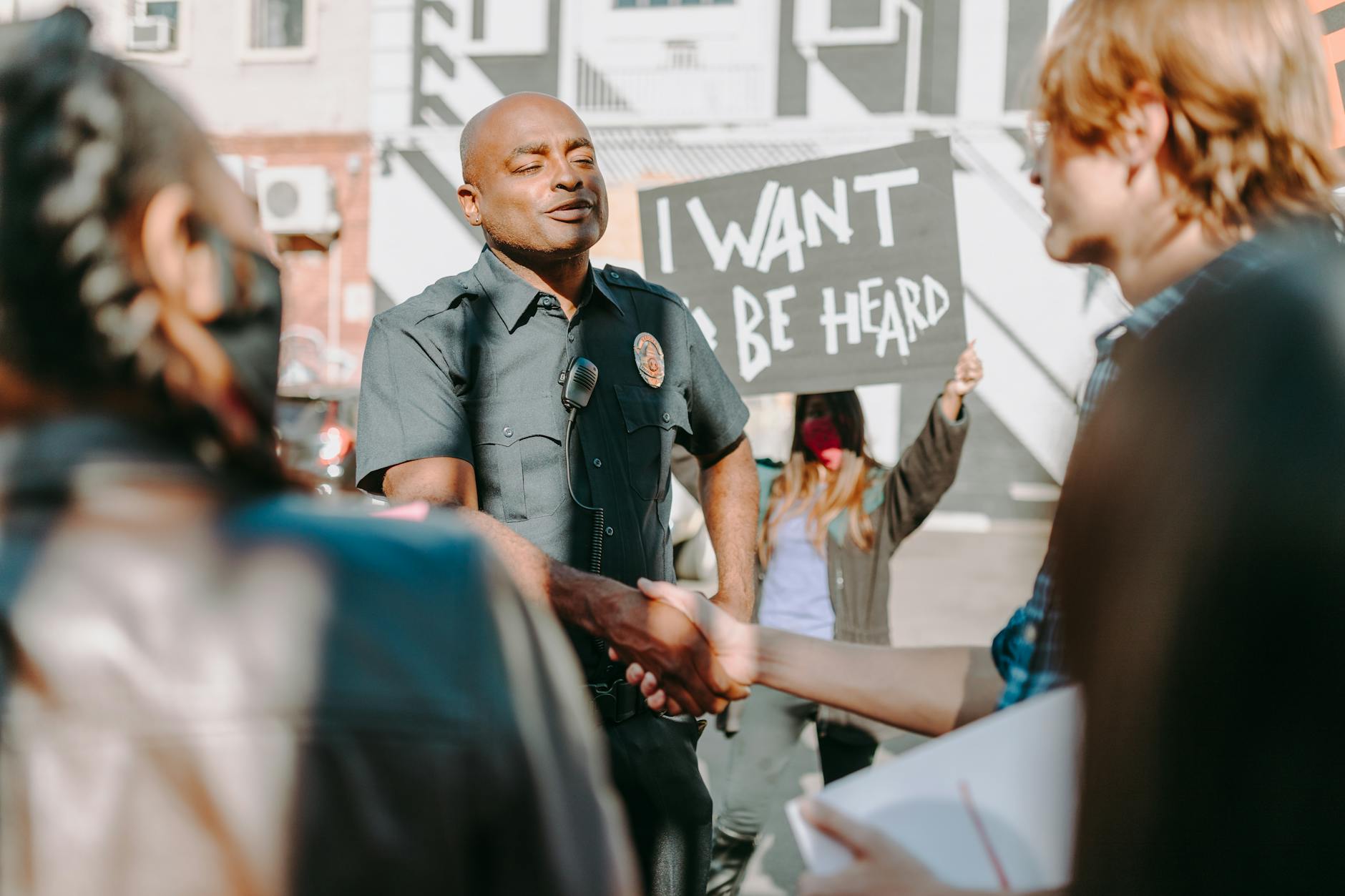
Miranda rights, stemming from the landmark 1966 Supreme Court case Miranda v. Arizona, are a set of rights that police must inform suspects of before custodial interrogation. These rights include the right to remain silent, the right to an attorney, and the understanding that anything said can be used against the suspect in court. The core principle is to protect individuals from self-incrimination and ensure fair treatment within the legal system.
Police must read Miranda rights when a suspect is in custody and subject to interrogation. Custody typically means the suspect is not free to leave, such as during an arrest. Interrogation involves direct questioning or actions likely to elicit an incriminating response. A study by the National Institute of Justice found that 85% of suspects waive their Miranda rights, highlighting the importance of understanding these protections.
There are exceptions to when Miranda rights must be read. Routine booking questions, like name and address, don't require Miranda warnings. Additionally, if police ask voluntary questions before taking someone into custody, Miranda rights aren't necessary. However, once custody and interrogation occur, failure to read Miranda rights can lead to evidence being inadmissible in court.
Key Moments for Miranda Warnings

Miranda warnings become critical during custodial interrogations, a term referring to questioning initiated by law enforcement after a person has been taken into custody or deprived of their freedom in any significant way. This moment marks the point where police must inform suspects of their constitutional rights, including the right to remain silent and the right to an attorney. Without these warnings, any statements made by the suspect may be inadmissible in court.
One key moment occurs during an arrest. Once a person is placed under arrest, police must administer Miranda warnings before asking any questions that could incriminate the individual. Failure to do so can lead to the exclusion of any statements made during the interrogation. This rule applies regardless of the crime's severity or the suspect's background.
A study by the National Institute of Justice found that nearly 40% of criminal cases involve Miranda rights issues. This statistic underscores the importance of understanding when and how these rights must be communicated. Police officers receive training on Miranda procedures, but real-world application can vary. Courts often scrutinize the timing and delivery of these warnings to ensure compliance with constitutional standards.
Another critical moment arises during traffic stops that escalate into custodial situations. If a driver is detained and questioned in a manner that implies they cannot leave, police must issue Miranda warnings before proceeding with any interrogation. This scenario highlights the nuanced nature of custodial interrogations and the need for officers to assess each situation carefully.
Real-World Scenarios and Exceptions

The Miranda warning is a staple of American police procedure, but its application isn't always straightforward. Police must read Miranda rights when they take a suspect into custody and before conducting custodial interrogation. However, exceptions exist. Routine traffic stops, for instance, typically don't require Miranda warnings unless the stop escalates into a custodial interrogation.
Voluntary statements made by suspects before arrest or interrogation also fall outside Miranda's scope. A suspect who spontaneously confesses to a crime without prompting doesn't need to be Mirandized. This exception underscores the warning's purpose: to protect against coercive police interrogation tactics.
Public safety exceptions allow officers to question suspects without Miranda warnings when immediate danger exists. The U.S. Supreme Court has upheld this exception, citing the need for swift action in critical situations. According to a study by the National Institute of Justice, this exception is invoked in about 5% of cases involving immediate threats.
Additionally, Miranda rights don't apply to non-custodial situations. Police can ask questions during general encounters without reading the warning. The key factor is whether the suspect feels free to leave. A seasoned officer knows how to navigate these nuances, ensuring legal compliance while gathering crucial information.
Challenges in Miranda Rights Application
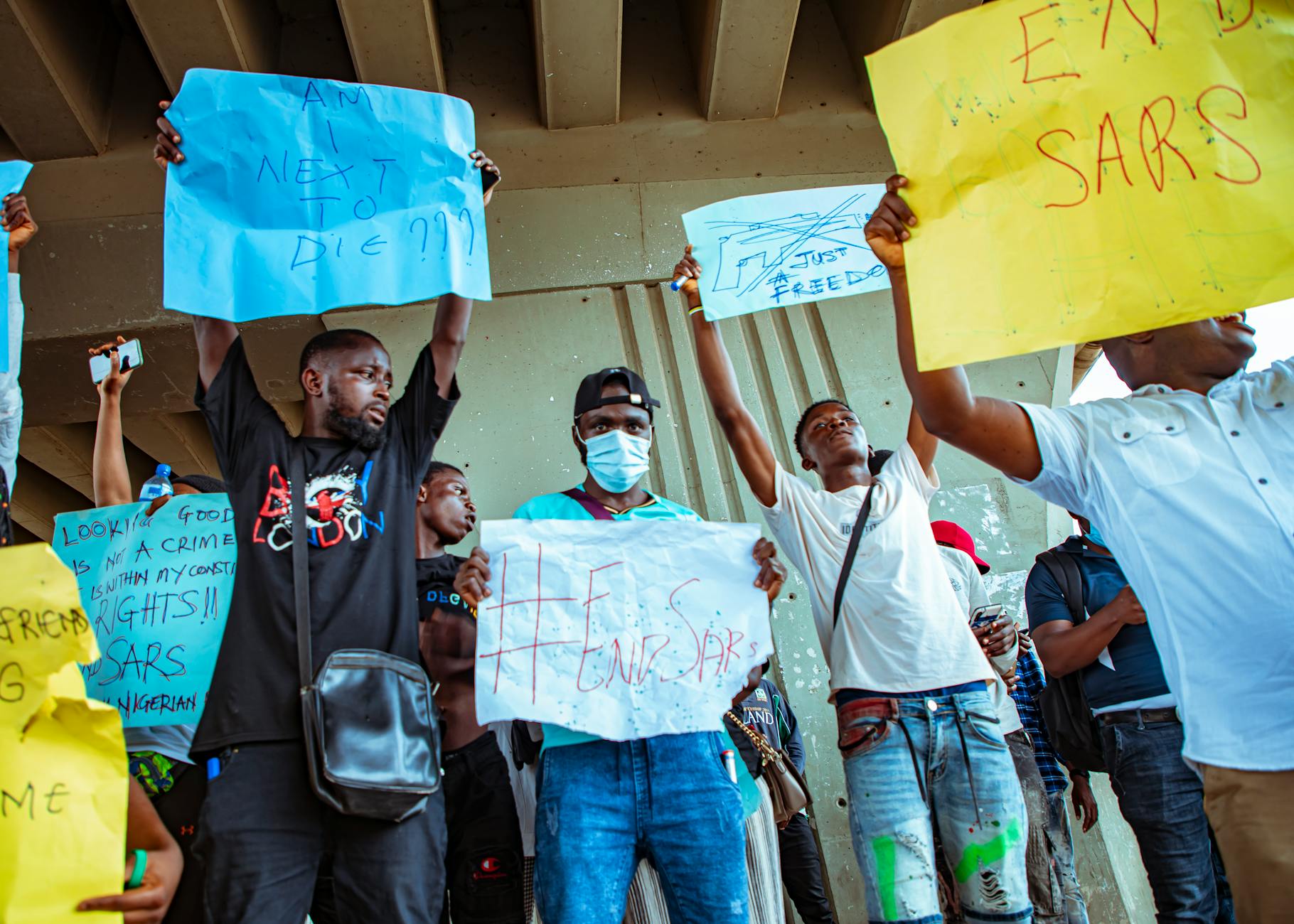
Applying Miranda rights isn't always straightforward. Police officers often face challenges in determining when exactly they must read these rights to a suspect. A significant hurdle is the blurred line between custodial interrogation and routine questioning. Officers must assess whether a suspect is in custody and whether their questions could reasonably be considered an interrogation. This judgment call can be difficult, especially in complex or evolving situations.
Another challenge lies in the language barrier. Not all suspects speak English fluently, and Miranda warnings must be understood to be effective. Police departments often rely on translation services or bilingual officers, but this isn't always immediate or available. According to the Innocence Project, language barriers have contributed to wrongful convictions, highlighting the importance of clear communication.
Officers also grapple with the timing of Miranda warnings. They must read the rights before any questioning that could lead to incriminating statements. However, in fast-moving situations, like active investigations or emergencies, this timing can be tricky. Experts agree that officers need thorough training to navigate these complexities effectively. The consequences of misapplying Miranda rights can be severe, including dismissed cases or appeals based on violations of the suspect's rights.
Lastly, there's the issue of waivers. Suspects must voluntarily, knowingly, and intelligently waive their Miranda rights. Officers must ensure that the suspect understands their rights and the implications of waiving them. Coercion or deception can invalidate a waiver, leading to legal complications. This aspect of Miranda rights application requires careful attention to detail and adherence to legal standards.
Evolving Legal Landscape of Miranda Rights

The legal landscape surrounding Miranda rights continues to evolve, shaping how law enforcement interacts with suspects. Recent court rulings have clarified when these rights must be read, emphasizing the importance of clear communication during custodial interrogations. A 2020 study by the National Institute of Justice found that 68% of law enforcement officers reported receiving updated training on Miranda rights within the past five years. This reflects a growing recognition of the need for ongoing education to adapt to changing legal standards.
One significant development involves the interpretation of what constitutes "custodial interrogation." Courts have increasingly scrutinized whether a suspect reasonably believes they are free to leave during questioning. This shift has led to more nuanced assessments of when Miranda warnings are necessary. Experts argue that this evolution helps protect suspects' rights while maintaining the integrity of investigations.
Another area of change involves the use of technology in interrogations. The rise of digital recording devices has influenced how Miranda rights are administered and documented. Law enforcement agencies are now required to ensure that recordings clearly capture the reading of Miranda rights, providing an unambiguous record for legal proceedings. This technological advancement has streamlined the process, reducing disputes over whether rights were properly conveyed.
The Miranda warning is a critical safeguard in the U.S. legal system, ensuring suspects understand their rights during police custody. Police must administer these rights when a suspect is in custody and subject to interrogation, a standard that applies uniformly across all 50 states. To avoid potential legal complications, law enforcement officers should err on the side of caution, reading Miranda rights whenever there's ambiguity about a suspect's custody status. As legal interpretations continue to evolve, ongoing training for officers will be essential to maintain the delicate balance between effective law enforcement and the protection of constitutional rights.
Need this answered for your specific case?
Get a flat-fee consultation with a verified U.S. immigration attorney. Engagement letter on every paid consult.
Related guides
This guide provides general legal information and does not create an attorney–client relationship. Information accurate as of July 2026. Always verify current USCIS guidance before acting.